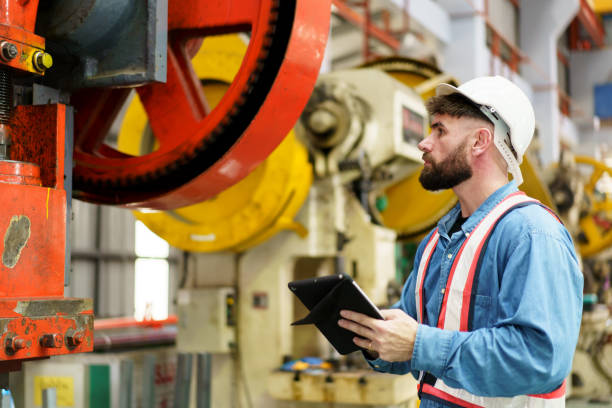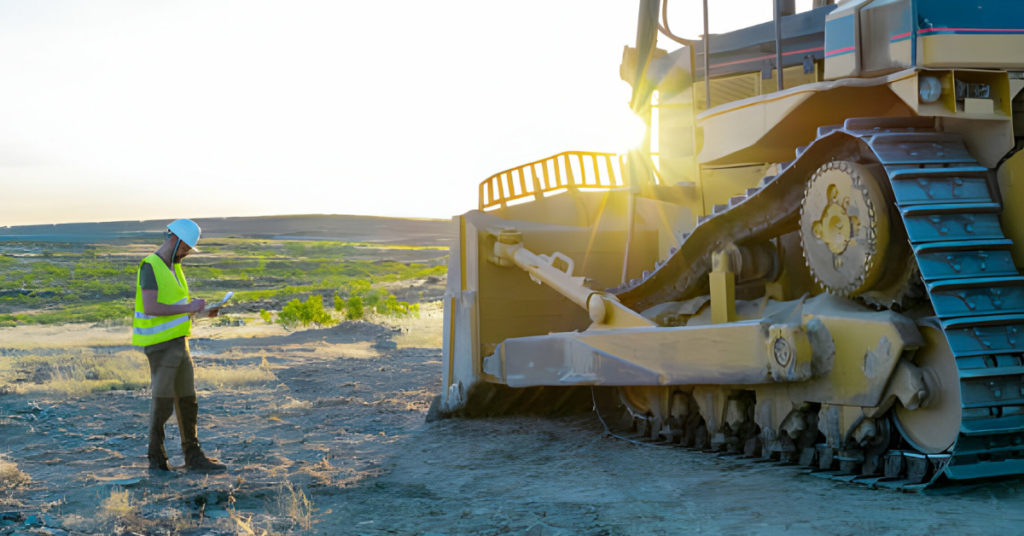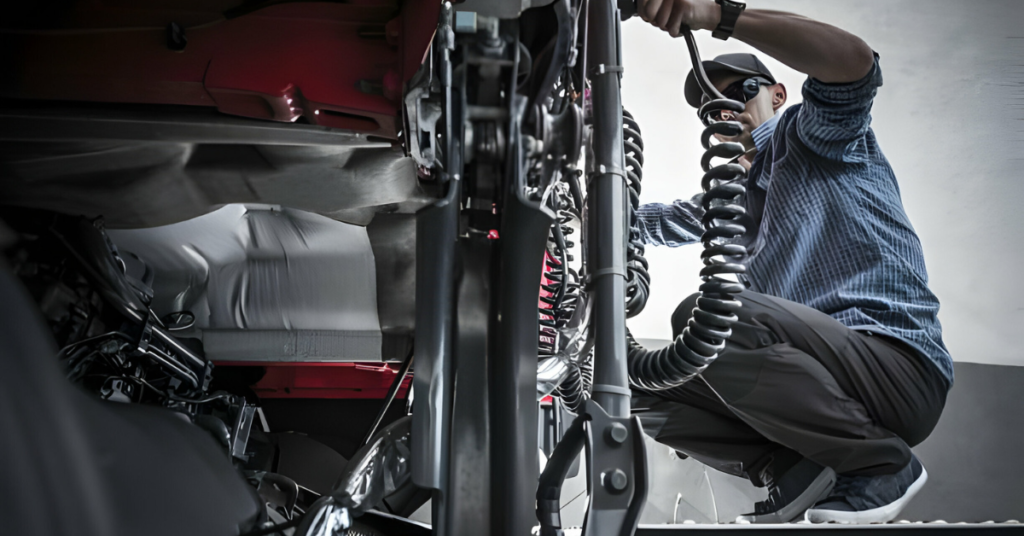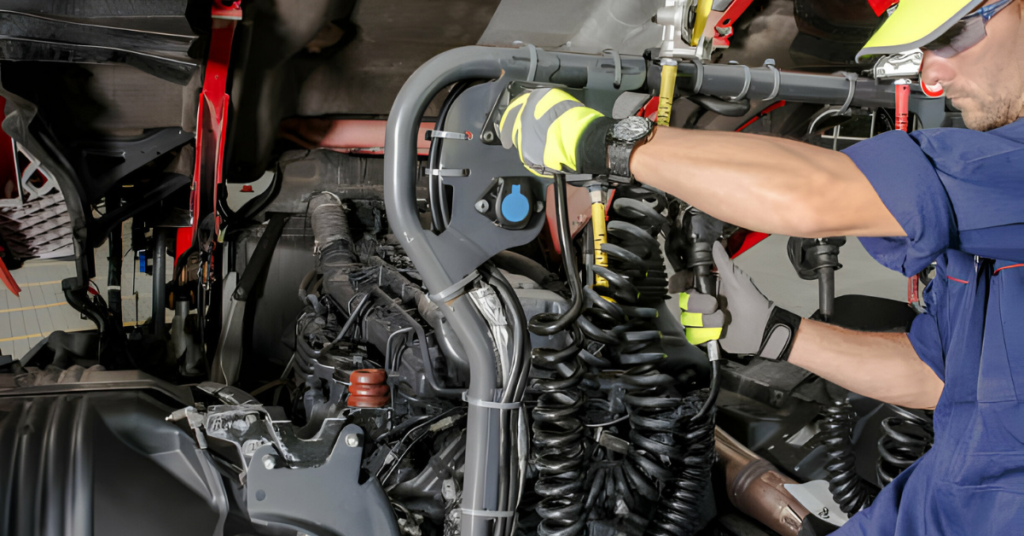
The heavy equipment repair industry in the United States is critical to the stability of several industries, including construction, agriculture, mining, and transportation. This dynamic sector ensures that heavy machinery stays operational, preventing costly downtime and enhancing overall productivity. In this overview, we will look at the essential features of the heavy equipment repair sector, shedding light on its relevance and underlining the critical importance of regular maintenance for heavy machinery.
The Heavy Equipment Repair Industry Landscape
The heavy equipment repair industry provides a wide range of services to keep huge and powerful machinery in peak operating condition. This industry supports many industries, including construction and infrastructure development, agriculture, where tractors and harvesters are critical, and mining, which requires massive earth-moving equipment. Furthermore, transportation depends largely on the continuing operation of trucks, bulldozers, and other heavy equipment, making the repair business indispensable.

- Specialization and Expertise: With the complexity of modern heavy equipment, specialization within the repair industry has become essential. Some repair shops focus on specific types of machinery, such as agricultural equipment, while others may specialize in certain brands or systems like hydraulic components.
- Diverse Service Offerings: The heavy equipment repair industry provides a plethora of services, including preventive maintenance, diagnostics, component repair and replacement, welding, and hydraulic system servicing. Technicians in this field are skilled in handling a variety of machinery, from excavators and loaders to cranes and dump trucks.
- Technology Integration: Advancements in technology have significantly impacted the heavy equipment repair industry. Computerized diagnostic tools, telematics, and predictive maintenance software have become integral in identifying issues before they escalate, reducing downtime and costs for equipment owners.
The Importance of Regular Maintenance
Regular maintenance is the lifeline of heavy machinery, ensuring longevity, optimal performance, and safety. The cost of neglecting maintenance far outweighs the investment in routine check-ups and preventive measures. Let’s explore the key reasons why regular maintenance is indispensable for heavy equipment.
Prolonged Equipment Lifespan:
Just as a regular health check-up can identify potential health issues, routine maintenance allows technicians to spot and address minor problems before they escalate. This proactive approach significantly extends the lifespan of heavy equipment, providing a better return on investment for equipment owners.
Prevention of Costly Repairs:
Neglecting routine maintenance often leads to major breakdowns, resulting in costly repairs. Regularly servicing and replacing worn-out components can prevent these catastrophic failures, saving both time and money in the long run.
Enhanced Safety:
Heavy machinery accidents can have severe consequences. Regular maintenance ensures that all safety features are in optimal condition, reducing the risk of accidents. This is particularly crucial in industries where heavy equipment operators are exposed to hazardous conditions.
Optimized Performance:
Well-maintained equipment operates at peak efficiency. Regular oil changes, filter replacements, and overall system checks contribute to optimal performance, translating to increased productivity on the job site.
Compliance with Regulations:
The heavy equipment industry is subject to various safety and environmental regulations. Regular maintenance ensures that equipment remains compliant with these regulations, avoiding potential fines and legal issues.
Resale Value Preservation:
Equipment owners often upgrade their fleets or need to sell older machinery. Regular maintenance preserves the resale value of equipment, making it more attractive to potential buyers.
Environmental Impact:
Regular maintenance not only benefits the equipment itself but also contributes to a reduced environmental footprint. Well-maintained machinery tends to operate more efficiently, consuming less fuel and emitting fewer pollutants.
In conclusion, the heavy equipment repair industry in the United States plays a pivotal role in sustaining the country’s infrastructure and various economic sectors. Understanding the importance of regular maintenance is fundamental for both equipment owners and the industry as a whole. By prioritizing preventive measures and embracing technological advancements, the heavy equipment repair industry ensures that these colossal machines continue to power the nation’s progress while minimizing downtime, reducing costs, and maximizing safety. As heavy equipment becomes more sophisticated, the role of maintenance becomes even more critical, underscoring the need for a proactive and comprehensive approach to keeping the wheels of industry turning smoothly.