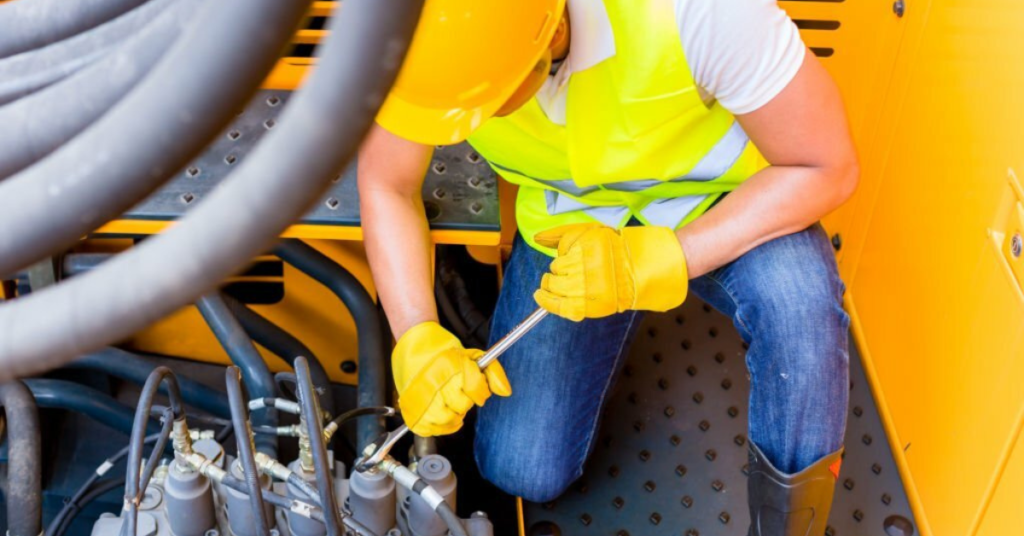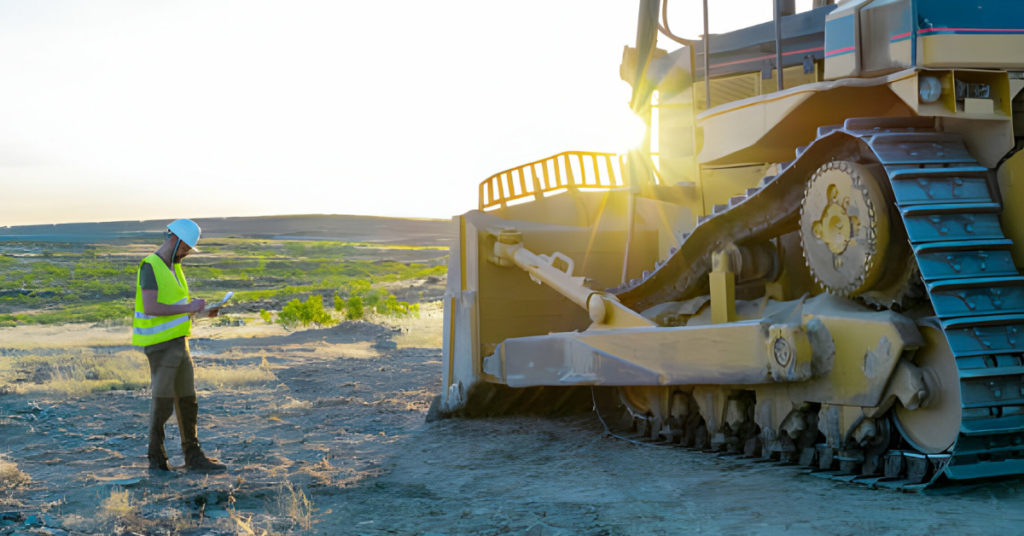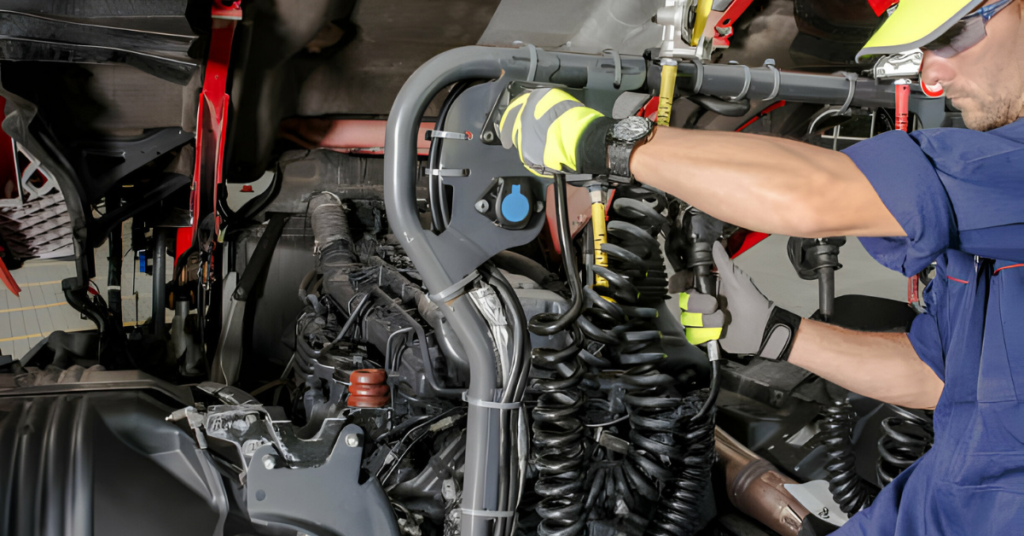
Heavy equipment is pivotal across diverse industries, spanning construction, mining, agriculture, and transportation. Securing the dependability and endurance of these substantial investments necessitates a proactive strategy, and this is where the significance of preventive maintenance for heavy equipment comes into play. This all-encompassing guide will explore the critical aspects of preventive maintenance for heavy equipment, the establishment of a resilient preventive maintenance schedule, and the regular inspection of key components to uphold your machinery’s optimal condition.
The Significance of Proactive Maintenance for Large Machinery
Cost Savings
Preventive maintenance is a strategic investment that pays off in the long run. While some may view it as an additional cost, it serves as a crucial means of avoiding expensive repairs and downtime. Regular maintenance helps identify and address issues before they escalate into major problems, ultimately saving on repair costs and extending the lifespan of the equipment.
Enhanced Safety
Safety is paramount in any industry utilizing heavy equipment. Regular maintenance checks help identify and rectify potential safety hazards. This not only protects the equipment operators but also ensures a safer working environment for everyone on the job site.
Increased Equipment Reliability
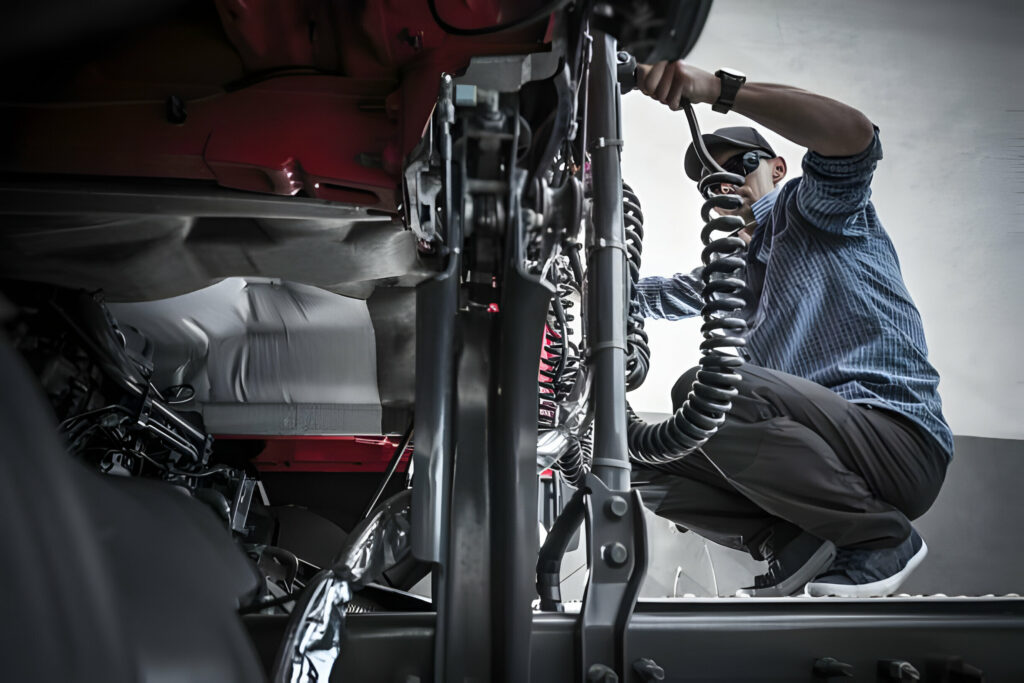
Unplanned breakdowns can be detrimental to project timelines and productivity. Preventive maintenance minimizes the risk of unexpected failures by addressing potential issues in advance. This results in increased reliability, ensuring that your heavy equipment is ready for action when needed.
Creating a Maintenance Schedule to Safeguard Your Equipment
Equipment Assessment
Before crafting a preventive maintenance schedule, it’s crucial to conduct a thorough assessment of each piece of heavy equipment. This includes reviewing manufacturer guidelines, historical maintenance records, and understanding the specific operational demands of each machine.
Utilizing Technology
Modern technology offers advanced tools for preventive maintenance scheduling. Computerized Maintenance Management Systems (CMMS) can help automate the process by tracking maintenance history, generating work orders, and sending timely reminders for upcoming inspections.

Establishing Maintenance Intervals
Once the equipment assessment is complete, establish maintenance intervals based on factors such as usage, environmental conditions, and manufacturer recommendations. Common intervals may include daily, weekly, monthly, and annual checks.
Training and Documentation
Ensure that your maintenance team is well-trained on the specific requirements of each piece of heavy equipment. Documenting procedures and checklists can help standardize the maintenance process and ensure consistency across the fleet.
Heavy Equipment Parts to Inspect Regularly

Fluid Levels and Quality
Checking and maintaining appropriate levels of fluids, such as engine oil, hydraulic fluid, and coolant, is fundamental. Regular fluid analysis can also provide insights into the condition of the equipment and potential issues.
Lubrication
Proper lubrication is essential for preventing wear and tear on moving parts. Regularly inspect and grease bearings, joints, and other components as per the manufacturer’s recommendations.
Filters
Air, fuel, and hydraulic filters play a crucial role in preventing contaminants from entering the equipment systems. Regularly inspect and replace filters to ensure optimal performance.
Wear Parts
Components like belts, chains, and teeth on heavy equipment are subject to wear over time. Regular inspection and timely replacement of these wear parts are essential to prevent unexpected failures.
Electrical Systems
Inspecting the electrical systems, including wiring, connections, and batteries, is vital for preventing electrical failures. Check for signs of corrosion and ensure that the charging system is functioning correctly.
The Smart Strategy of Preventive Maintenance for Heavy Equipment
In conclusion, preventive maintenance for heavy equipment is a proactive and cost-effective approach to ensure the reliability, safety, and longevity of your machinery. By developing a well-structured preventive maintenance schedule and regularly inspecting key components, you can minimize downtime, reduce repair costs, and maximize the efficiency of your heavy equipment fleet. Investing time and resources in preventive maintenance is not just a good practice – it’s a smart strategy for the sustainable success of your business.