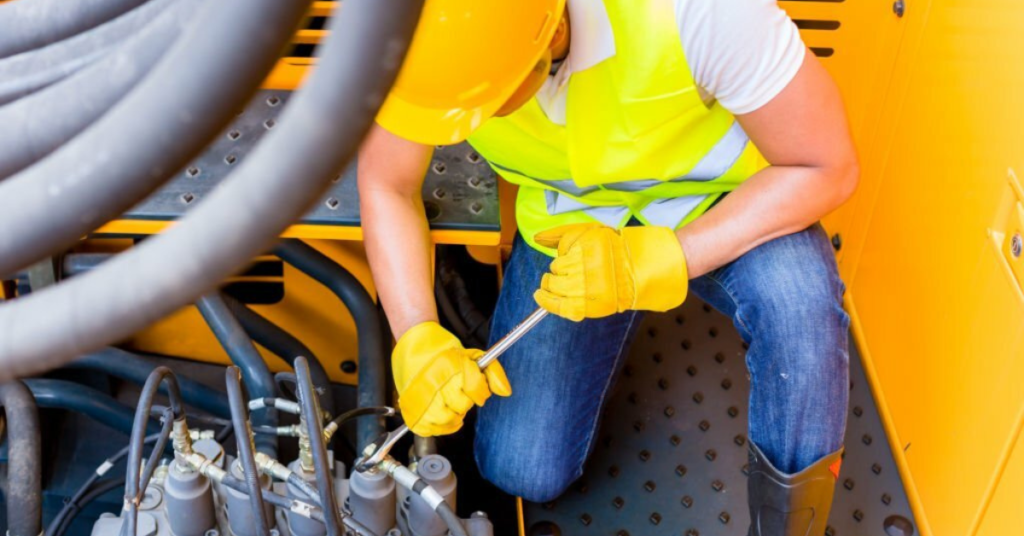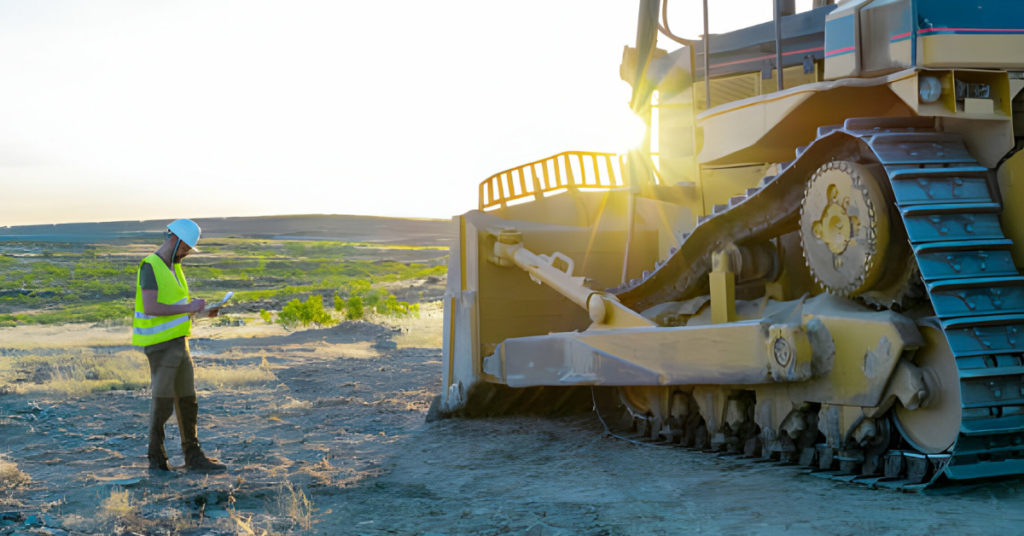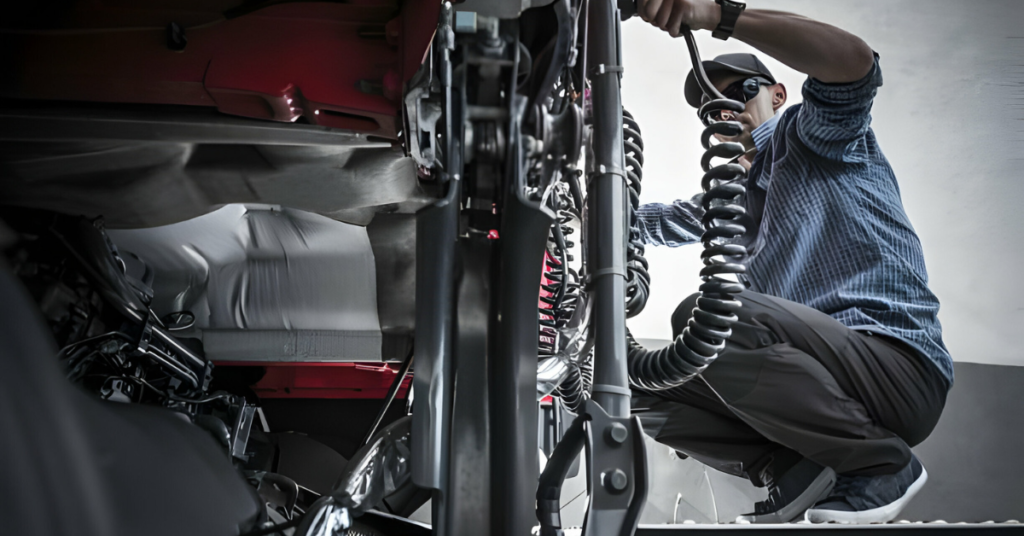
Prioritizing safety isn’t merely a preference but an unequivocal necessity. From towering cranes to powerful bulldozers, the machinery involved in this industry demands meticulous attention to safety protocols. In this comprehensive guide, we delve into the importance of heavy equipment repair safety protocols and maintenance processes. It also emphasizes the significance of personal protective equipment (PPE) guidelines in ensuring the well-being of workers and the integrity of operations.
Importance of Safety Protocols in Heavy Equipment Repair:
Safety protocols are the backbone of any successful operation. These protocols not only mitigate risks but also prevent accidents and protect the workforce involved in the intricate process of repairing colossal machines. Furthermore, the inherent risk associated with working on large, complex machinery is one of the primary reasons why safety protocols are paramount in heavy equipment repair.
The potential for accidents and injuries is significant because the machinery involved in heavy equipment repair often operates at high speeds and under immense pressure. Consequently, without proper safety protocols in place, workers are exposed to numerous hazards, including falls, crush injuries, electrical shocks, and chemical exposure.
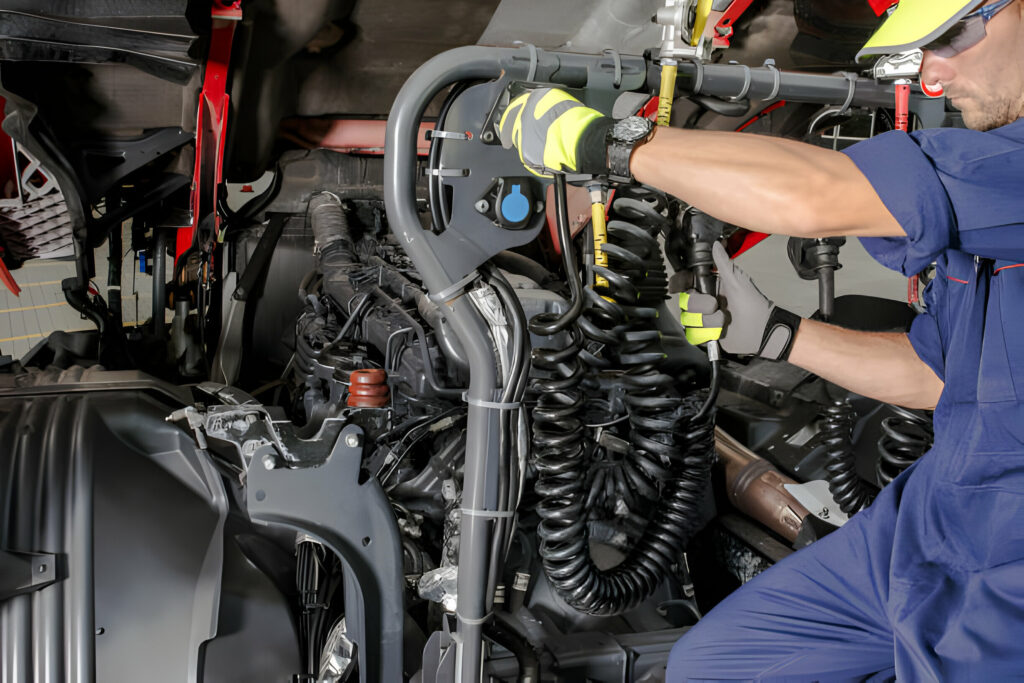
Moreover, accidents can incur staggering costs in terms of human suffering, medical expenses, equipment damage, and downtime. Therefore, companies can proactively mitigate these risks and safeguard the well-being of their workers and the profitability of their operations by implementing robust safety protocols.
Personal Protective Equipment (PPE) Guidelines:
Central to the safety protocols are comprehensive guidelines for personal protective equipment (PPE). PPE serves as the first line of defense against workplace hazards, providing workers with vital protection against injuries and exposure to hazardous substances. Here are some essential PPE guidelines for heavy equipment repair:
Head Protection:
Technicians must wear helmets in heavy equipment repair as falling objects, low-hanging components, or accidental impacts can pose significant risks to the head. A sturdy, well-fitted helmet serves as the first line of defense against such hazards.
Eye and Face Protection:
Technicians working with heavy equipment must use safety goggles or face shields to protect their eyes and face from various particles, sparks, and debris. Clear visibility is paramount for precision work, and the right eye protection ensures that technicians can perform repair tasks with accuracy.
Respiratory Protection:
Technicians in heavy equipment repair environments must use respirators or masks to prevent inhalation of dust, fumes, or gases harmful to the respiratory system, preserving their long-term health.
Hand and Arm Protection:
To protect against cuts, abrasions, and impacts during repair tasks, technicians must use heavy-duty gloves. These gloves provide a barrier between the technician’s hands and potential hazards.
Body Protection:
Technicians must wear coveralls or work suits made from durable materials to shield the body from spills, splashes, or contact with abrasive surfaces. Ensuring that the entire body is covered adds an extra layer of protection, particularly when working in confined or tight spaces.
Foot Protection:
Safety boots with reinforced toes and sturdy soles are essential for technicians in heavy equipment repair. These boots protect against potential crushing injuries and provide stability when navigating uneven or challenging terrains.
A Commitment to Safety Excellence in Heavy Equipment Repair
In conclusion, heavy equipment repair safety protocols are indispensable for maintaining a safe and productive work environment. By prioritizing safety and adhering to comprehensive guidelines for personal protective equipment (PPE), companies can minimize the risk of accidents, injuries, and costly downtime. Investing in safety training, regular equipment inspections, and ongoing safety initiatives is essential for ensuring the well-being of workers and the success of heavy equipment repair operations. Remember, when it comes to heavy equipment repair, safety always comes first.